See All Judicial Nominees
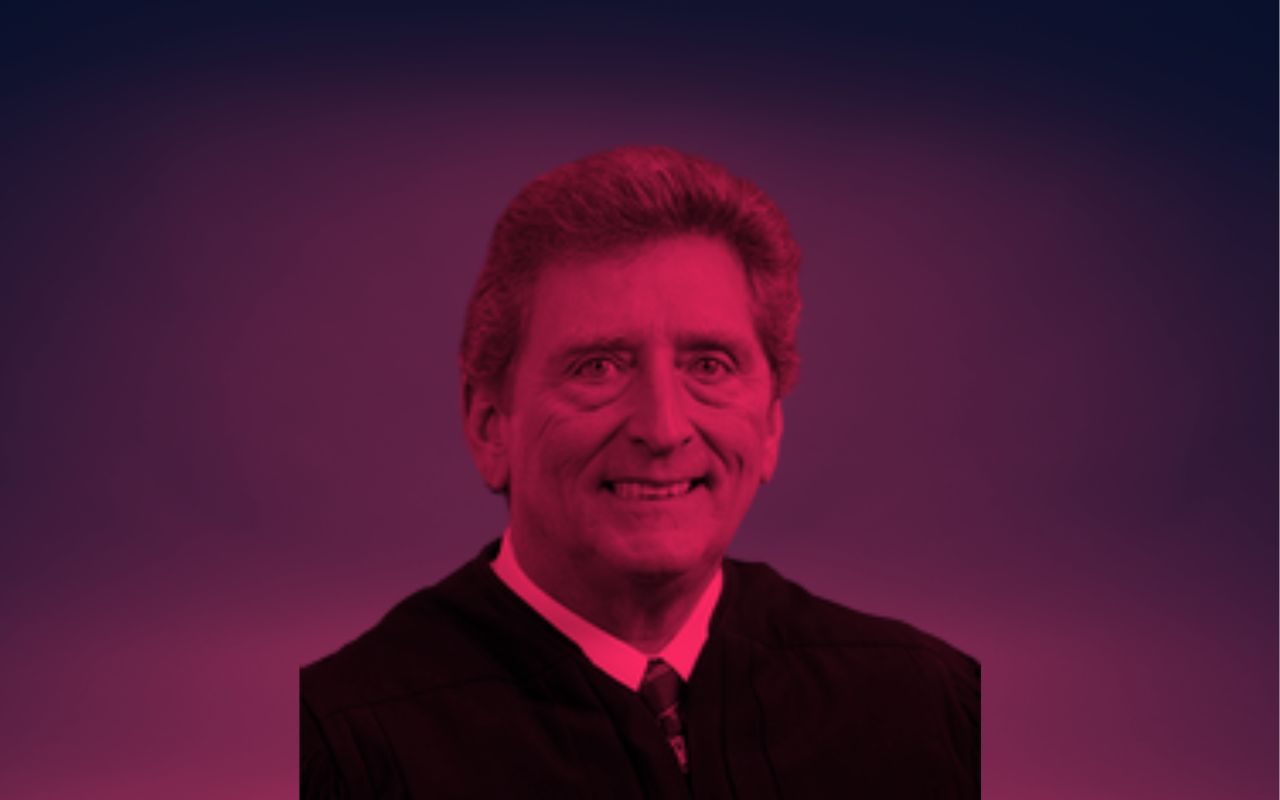
William “Will” Jerrol Crain
Confirmed Trump 2.0
Confirmed to the United States District Court for the Eastern District of Louisiana.
On September 26, 2025, President Trump nominated William “Will” Jerrol Crain to the United States District Court for the Eastern District of Louisiana. He was confirmed on December 9, 2025.
View/download the fact sheet here.
View/download the letter of opposition here.
View/download the state groups’ letter of opposition here.
View our Instagram video here.
Biography
Crain earned his B.A. in Accounting from Louisiana State University in 1983 and his J.D. from the Louisiana State University Paul M. Hebert Law Center in 1986.
Legal Experience
Crain began his career working as an aide to Louisiana State Senator Benjamin Burras “Sixty” Rayburn on the Legislative Committee on the Budget (1980–1986).
Following law school, he entered private practice at Jones Fussell, LLP, where he worked first as a partner (1986–1989) and then as an associate (1990–2008).
In 2009, Crain was elected to the bench as a judge of the 22nd Judicial District Court, serving until 2012. He was then elected to the Louisiana First Circuit Court of Appeal, where he served from 2013 to 2019. Since 2019, Crain has served as a justice on the Louisiana Supreme Court.
Key Facts and Context
- Awarded Republican of the Year, Washington Parish Republican Party (2021)
- Federalist Society (2001 – 2011; 2017 – 2019)
- Campaigned for the Supreme Court of Louisiana as “The Conservative Choice,” during which he received an endorsement from Lenar Whitney, Republican National Committeewoman for Trump, who stated Crain was:
- “The most conservative in the race” | “The choice of Louisiana’s business group” | “The choice of the largest police organization” | “A strict constitutionalist . . .” |
- Ran campaign ads declaring he was pro-Second Amendment and Pro-Life
- In remarks at a Tribute to Abraham Lincoln at the Lincoln/Reagan Dinner, Crain stated that, “elected officials whose oaths are to support and defend the constitution and laws of this country speak of “social justice” to mask lawless decisions, while many people without connection or devotion to our country are allowed to enter and remain without the slightest effort to follow and honor the very laws governing such conduct.”
- Justice Crain dismissed a state employee’s ethics violation, after the lower court determined they had received a thing of economic value from a prohibited source (Louisiana Board of Ethics in Matter of Barnett)
- While the Louisiana Supreme Court held that an individual experiencing a drug-related overdose is immune from prosecution under state law if evidence of possession was obtained as a result of that overdose and medical need, Justice Crain dissented, arguing that immunity should not apply. The majority rejected this narrow view, which would undermine the statute’s purpose, to help people who seek medical help in overdose situations. (State v. Quandarious Rowe, La. Dec. 9, 2022)
- When the Louisiana Supreme Court vacated a life sentence after finding ineffective assistance of counsel, Justice Crain dissented, warning that the ruling improperly expanded post-conviction review of sentencing claims and stripped trial courts of their constitutional authority to impose legal sentences. Unlike his colleagues on the Louisiana Supreme Court, Crain thought it was all right for someone to serve a life sentence despite that individual’s lawyer failing to present mitigating evidence, and failing to emphasize that the prior convictions used to enhance his sentence were for non-violent and non-sexual offenses (State v. Kevin O’Brien Allen)
- Justice Crain dissented from the Louisiana Supreme Court’s holding that a defendant was entitled to review of a probation revocation, finding that his motion to correct an illegal sentence was a timely post-conviction request. (State v. Derrick Broussard)
- Following the Supreme Court’s ruling in Ramos, which required unanimous jury verdicts under the Sixth and Fourteenth Amendments, the Court considered whether the rule applied retroactively. Justice Crain voted against granting a retrial, joining the Court’s view that although the Sixth Amendment violation was serious, finality, reliance interests, and the heavy burden on the justice system outweighed retroactive application.
- Justice Crain ruled that the Governor’s COVID-19 orders limiting gatherings were unconstitutional as applied to a church pastor (State v. Mark Anthony Spell)
- The Louisiana Supreme Court closed off opportunities for further challenges to a lower court issued injunction of an abortion “trigger” ban, which allowed Louisiana abortion clinics to temporarily continue operating. Justice Crain dissented, favoring further review of the injunction in order to stop it. He noted, “…whether these doctors will suffer irreparable harm by being prohibited from performing abortions is debatable, terminating alleged life during the period of the temporary restraining order is irreparable.”(June Medical Services, LLC v. Landry)
- The Louisiana Supreme Court held that landowners have standing to hold oil and gas companies accountable in court when companies violate environmental regulations and the government fails to act. Justin Tureau owned two parcels of land that were contaminated by previous oil and gas exploration and production activities. The companies’ activities were alleged to have released toxic substances that caused extensive environmental damage and harmed Tureau’s land and legal interests. Justice Crain dissented, opposing the recognition of citizen suits in this context. (State ex rel. Tureau v. BEPCO, L.P.)