After Callais: Navigating Nonprofit Advocacy in a Shifting Legal Landscape
Issues
Topics
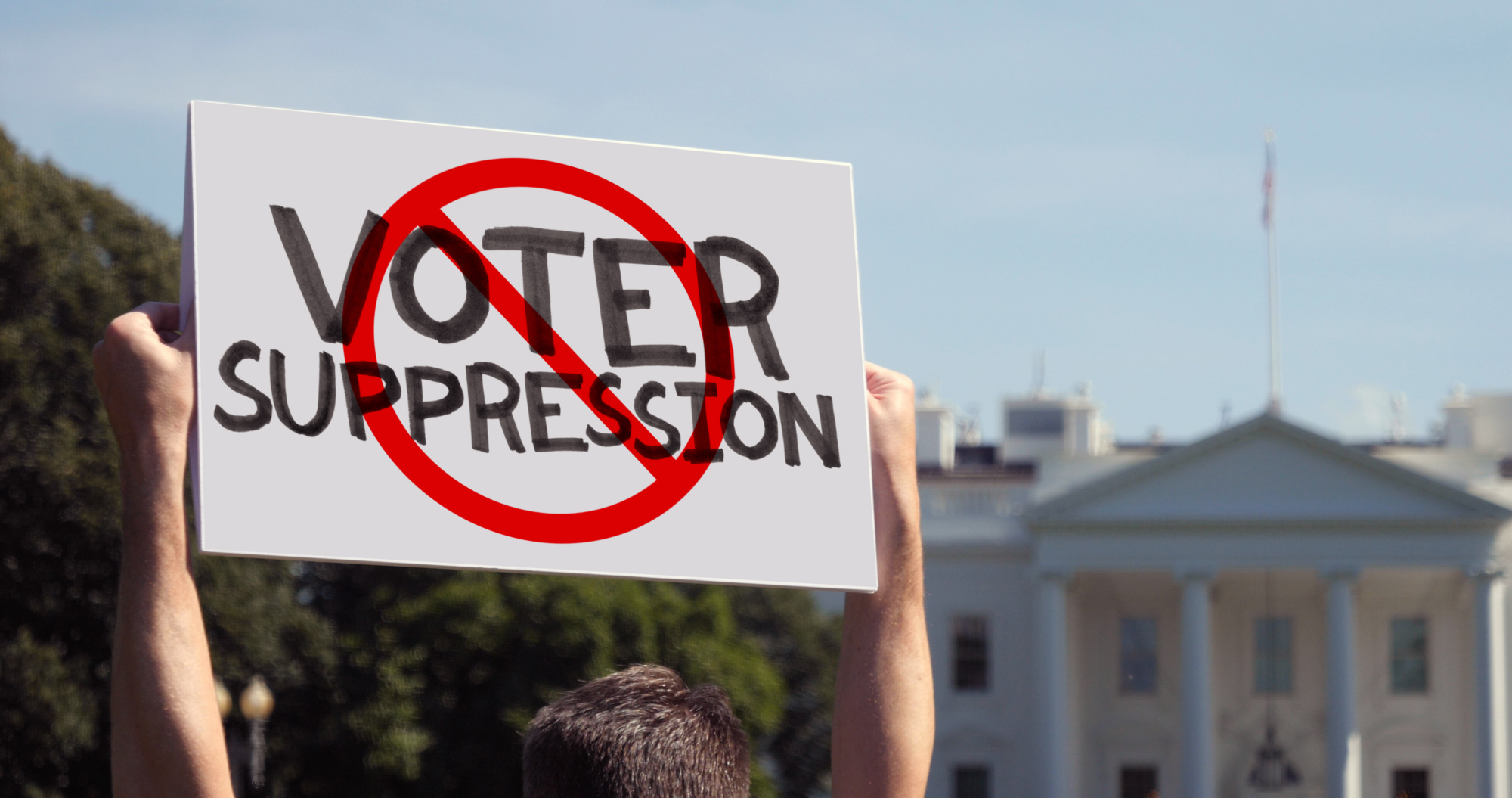
Just yesterday, the Supreme Court issued its decision in Louisiana v. Callais, which eviscerates the protections of Section 2 of the Voting Rights Act (VRA). The 6-3 ruling allows states to gerrymander districts to effectively dilute the power of Black voters and other voters of color. For nonprofits working to mobilize their communities and boost civic engagement, this decision is not just another court ruling. Instead, it reshapes the legal landscape for nonprofit advocacy heading into a contentious midterm election season.
What Can Nonprofits Do to Respond?
In the wake of this decision, it is now more important than ever for nonprofits to engage in voter mobilization efforts to ensure that every eligible voter has a voice at the polls. While 501(c)(3)s are prohibited from supporting or opposing candidates for public office, they can engage in nonpartisan get-out-the-vote (GOTV) initiatives and work to reshape the federal courts. Three actions your nonprofit can take now include:
- Educate Without Crossing the Line: 501(c)(3)s can educate their communities on the significance of this ruling and its implications, and they can share resources about voting rights and participation. Just remember that voter education should remain informational and not tied to candidates or campaigns.
- Invest in Voter Engagement Infrastructure: 501(c)(3) public charities can engage in nonpartisan voter registration and GOTV initiatives to encourage public participation in democratic processes. Helping people participate in civic life isn’t separate from nonprofit missions; it’s core to them. That is why Alliance for Justice is teaming up with Independent Sector, Nonprofit VOTE, and the League of Women Voters to launch “Voices in Action” — a joint initiative designed to equip organizations with the knowledge and resources to engage with voters. Join us at our kick-off webinar on Tuesday, May 5.
- Take a Stand on Judicial Nominations: While the President has the power to nominate individuals to federal court vacancies, it is the Senate that is in charge of the confirmation process. 501(c)(3) public charities can support or challenge judicial nominees through public education campaigns or direct communication with legislators. This activity may qualify as lobbying, but the good news is that public charities can engage in limited lobbying activities using unrestricted dollars. Every judge in the majority yesterday was confirmed despite stark records of hostility towards fundamental rights and freedoms. That is why AFJ opposed each of them and will continue to advocate for Justices committed to upholding the Constitution and safeguarding the rights protected by laws like the Voting Rights Act.
For nonprofits, the takeaway from yesterday’s Supreme Court decision is clear: now is the time to mobilize, advocate, and ensure that every eligible voter has their voice heard this election season.